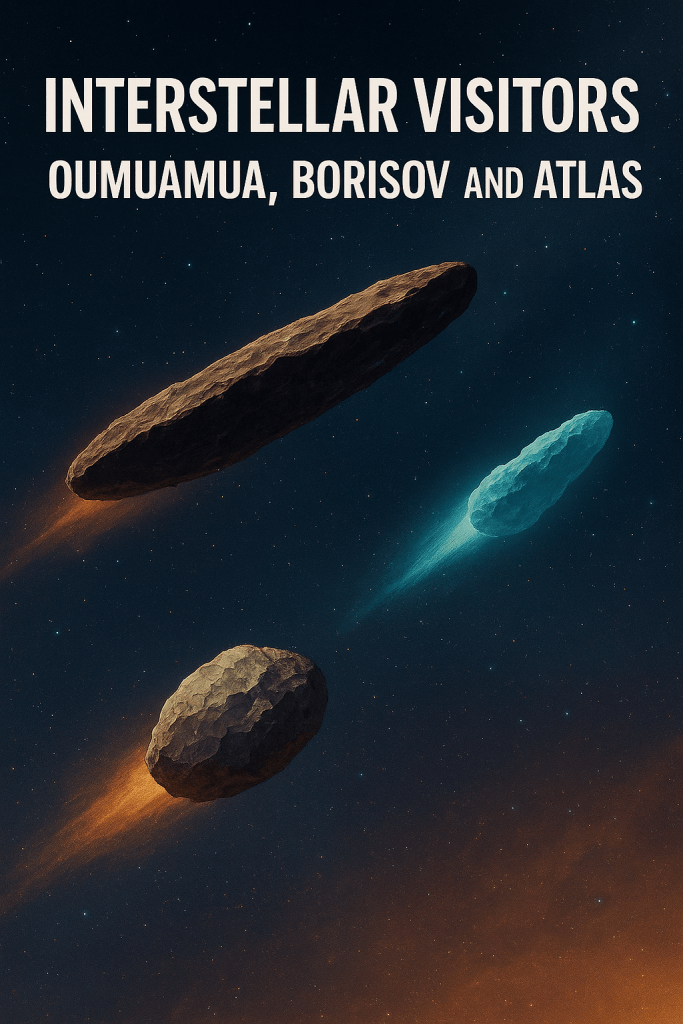
Every once in a while, our Solar System is visited by objects that don’t belong here. Interstellar Visitors explores the rare cosmic travelers—ʻOumuamua, Borisov, and Atlas—that journeyed to us from beyond our Sun’s domain. These mysterious objects offer a glimpse into distant star systems and help scientists understand how planetary systems form and evolve across the galaxy.
-Padmakshi SARASWAT
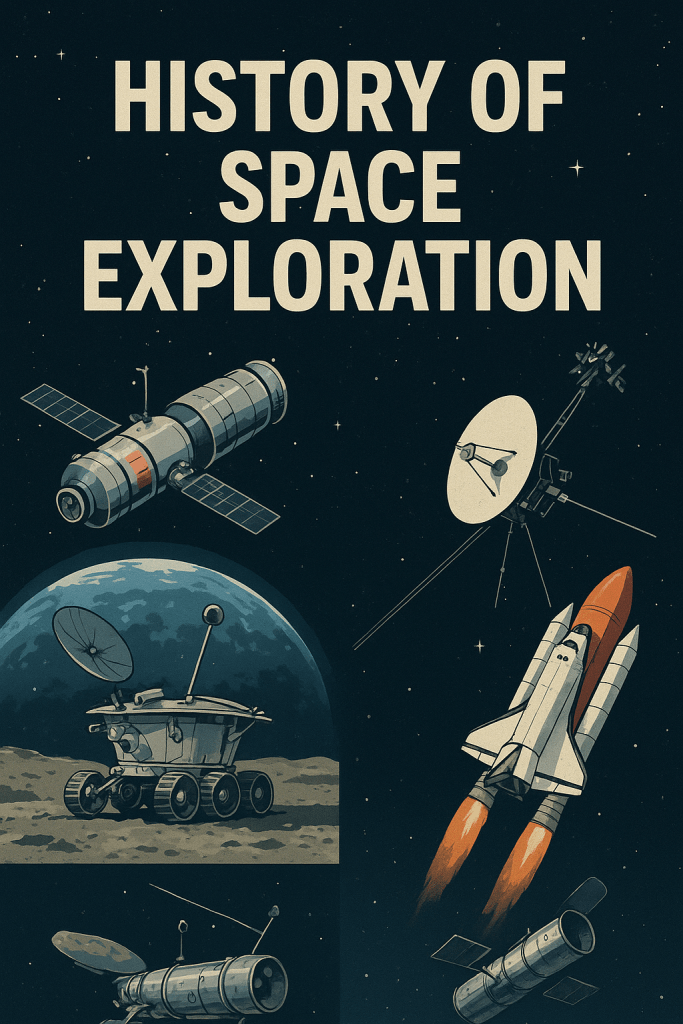
Part 2 of The History of Space Exploration explores key milestones like Salyut-1, Lunokhod-1, Voyager, the Space Shuttle, and Hubble Telescope—each a crucial step that shaped modern space exploration and paved the way for our future among the stars.
-Keyur Tatke
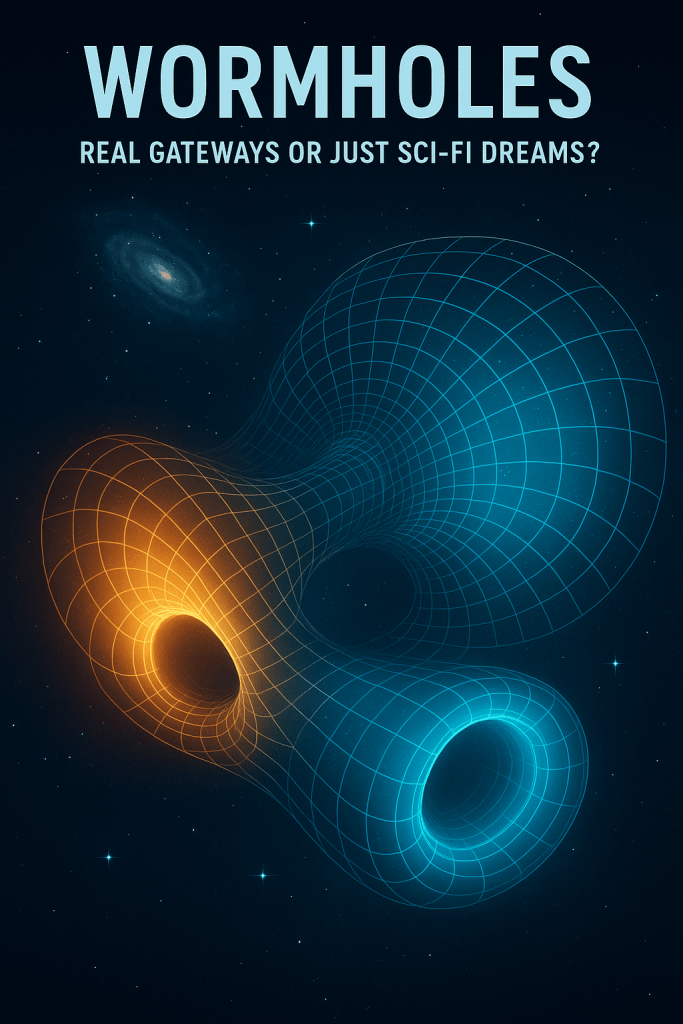
Explore the mysterious world of wormholes — theoretical tunnels through space-time that could link distant parts of the universe. Are they real cosmic gateways or just mind-bending science fiction? Dive into the physics, possibilities, and the limits of our current understanding.
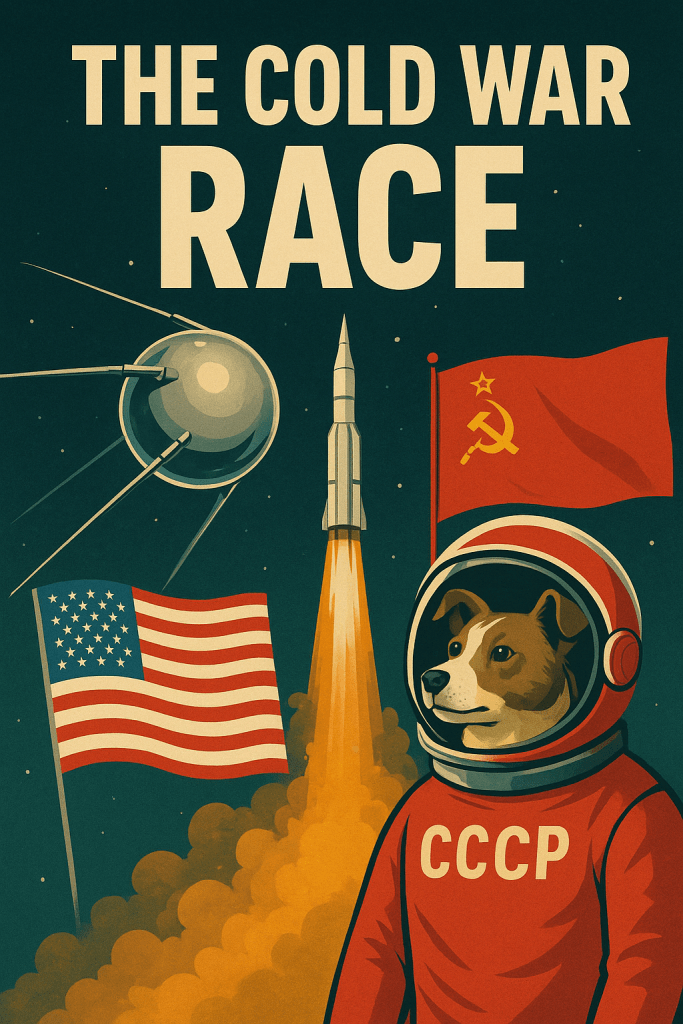
Dive into the Cold War era where the USA and USSR transformed their rivalry into a historic race beyond Earth — from launching Sputnik to landing on the Moon, marking humanity’s first giant leap into space exploration.
As nations race for dominance beyond Earth, space becomes the next battlefield. This blog explores the rise of space warfare, its global impacts, and the ethical questions shaping humanity’s future among the stars.
Discover The Big Rip — a theory suggesting that dark energy could grow so powerful it tears galaxies, stars, and even atoms apart, bringing the universe to a dramatic end.
Discover the dramatic story of our Moon’s origin—from ancient theories to the powerful Giant Impact that shaped it 4.5 billion years ago, and the mystery behind its hidden far side.
Meet 3I/ATLAS, a rare interstellar comet speeding through our solar system. With an ancient origin, unusual carbon-rich makeup, and surprising early activity, it’s offering astronomers fresh clues about how stars and planets formed across the galaxy
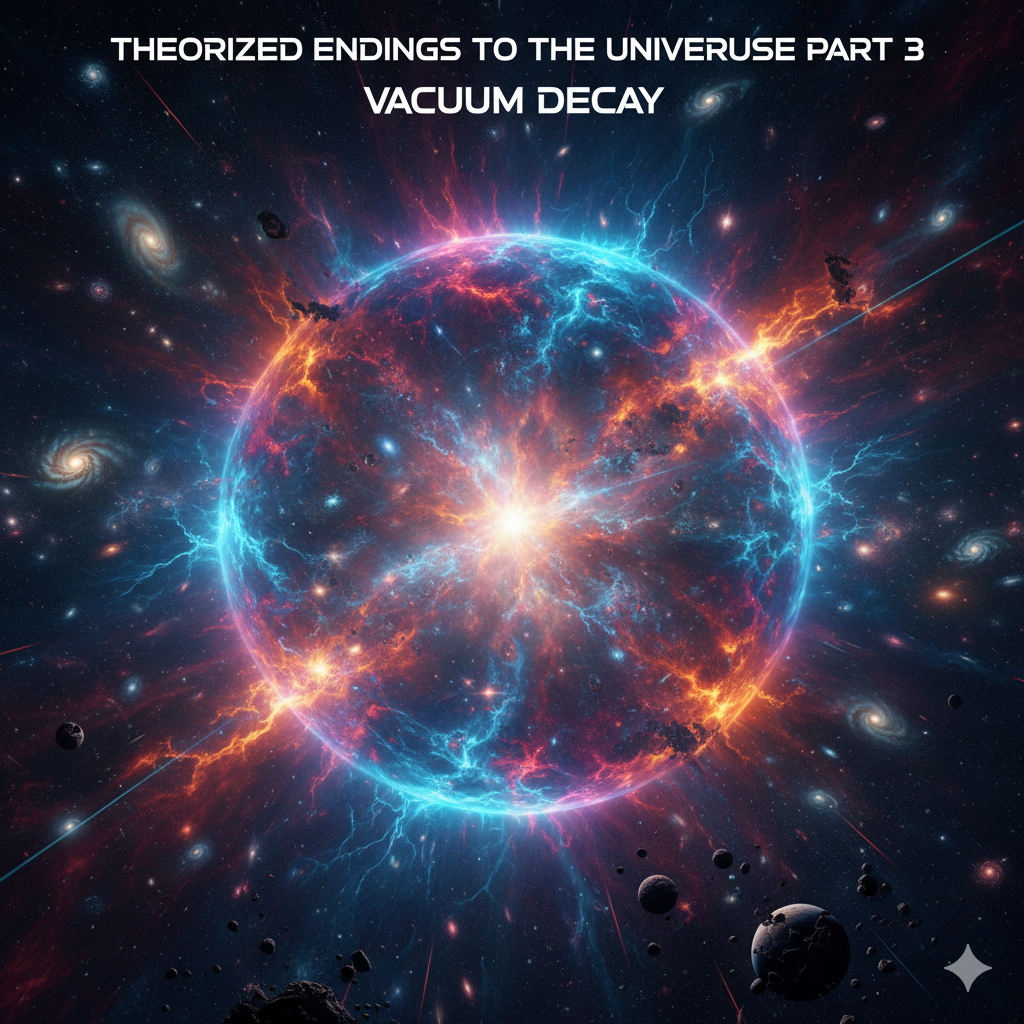
“Theorized Endings to the Universe Part 3: Vacuum Decay” describes a hypothetical cosmic event where the universe, currently in a “false vacuum” state, could suddenly transition to a more stable, “true vacuum” state. This transition would create a bubble of this new, more stable vacuum that expands at nearly the speed of light.
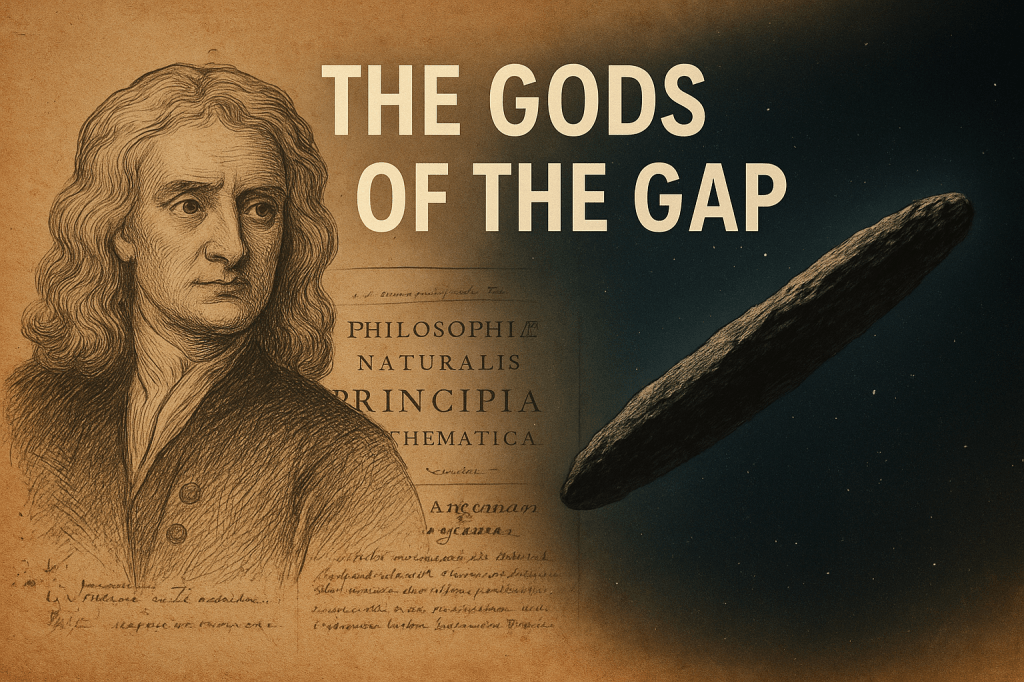
From Newton’s divine mysteries to modern alien theories, The Gods of the Gap explores how we explain the unknowns of the cosmos.
This blog explores how modern computational tools, artificial intelligence, and autonomous systems are transforming astronomy. From telescopes processing massive datasets to rovers navigating distant worlds, technology is reshaping how we observe, analyze, and connect with the cosmos—marking a new era in our relationship with the sky.
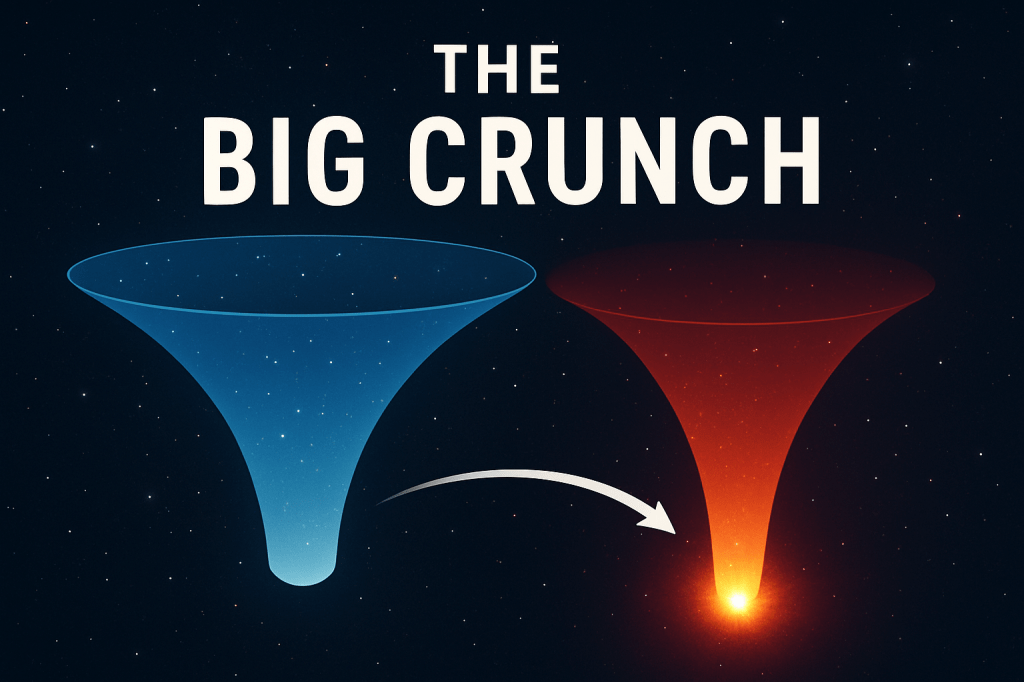
The Big Crunch is a theoretical end-of-the-universe scenario where cosmic expansion halts and reverses, causing all matter and energy to collapse back into a hot, dense singularity. Essentially, the universe would “crunch” inward, potentially setting the stage for another Big Bang and a cyclical cosmos.
The article on dark matter explores what dark matter is, why it’s important in understanding the universe, and how scientists detect its presence despite it being invisible. It also touches on current theories and experiments aimed at uncovering its true nature.
The article on hydrogen engines discusses how hydrogen is used as a clean fuel source, especially in aerospace and automotive applications. It highlights the technology behind hydrogen combustion and fuel cells, their environmental benefits, and the growing role of hydrogen in the transition to sustainable energy.
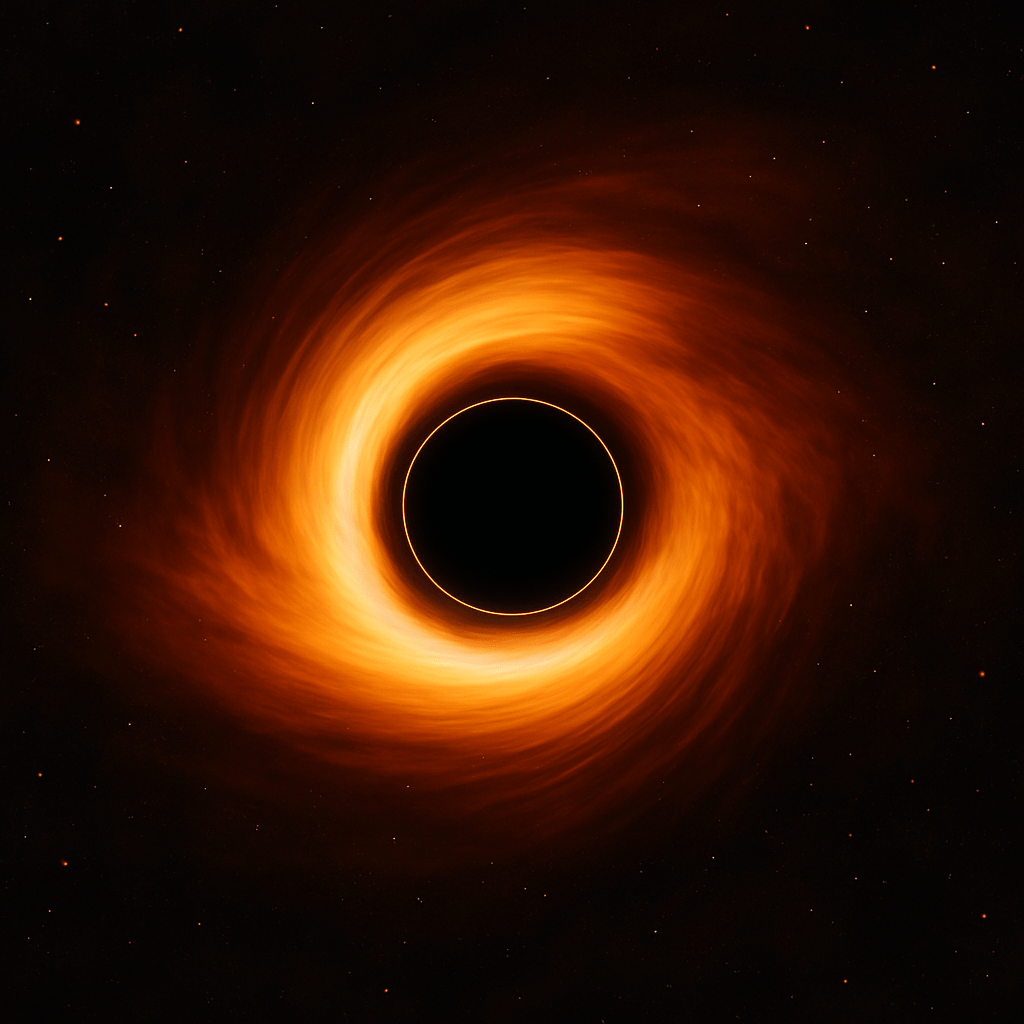
This article provides a brief overview of black holes—mysterious cosmic objects with gravitational pulls so strong that nothing can escape them. It explains how black holes form, their types, and how scientists observe them indirectly through their effects on nearby matter and light.
This article explores the role of cyanosulfidic chemistry in shaping the potential prebiotic environment on Mars. It examines how cyanide, sulfur compounds, and UV radiation might have combined to create essential building blocks for life.
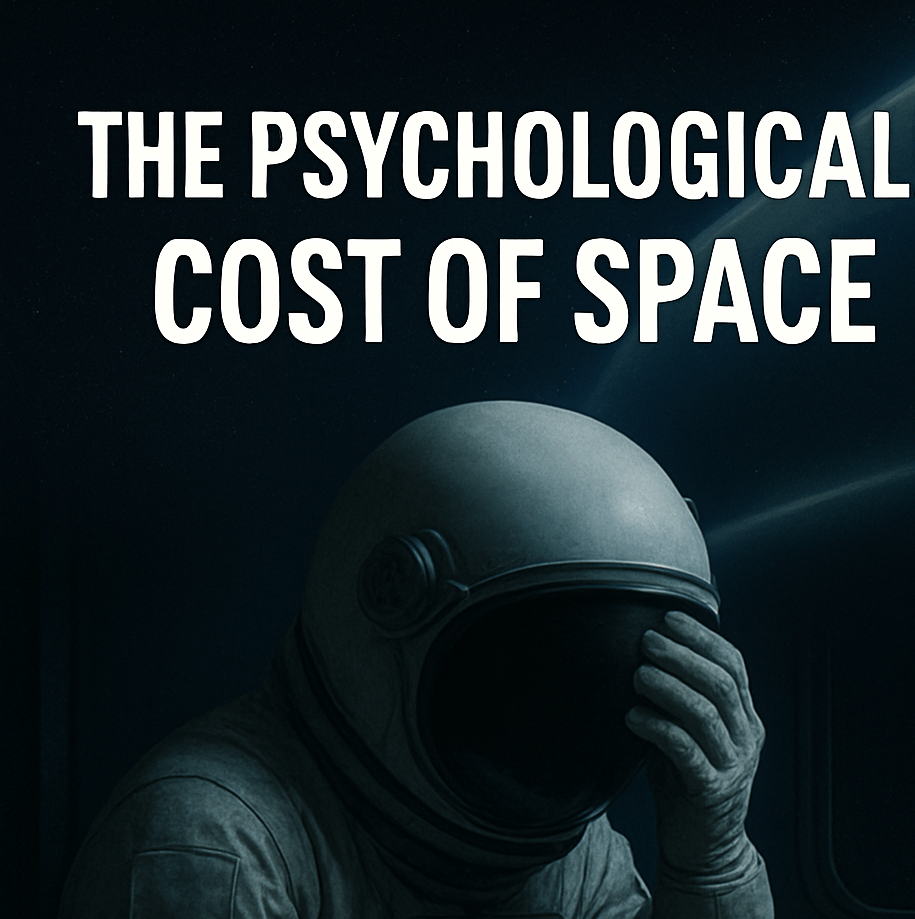
“The Psychological Cost of Space: What Astronauts Actually Experience” explores the unseen emotional and mental challenges faced by astronauts in the vast, isolating environment of space. From extreme isolation and confinement to the pressure of high-stakes missions, this blog uncovers the human side of space travel
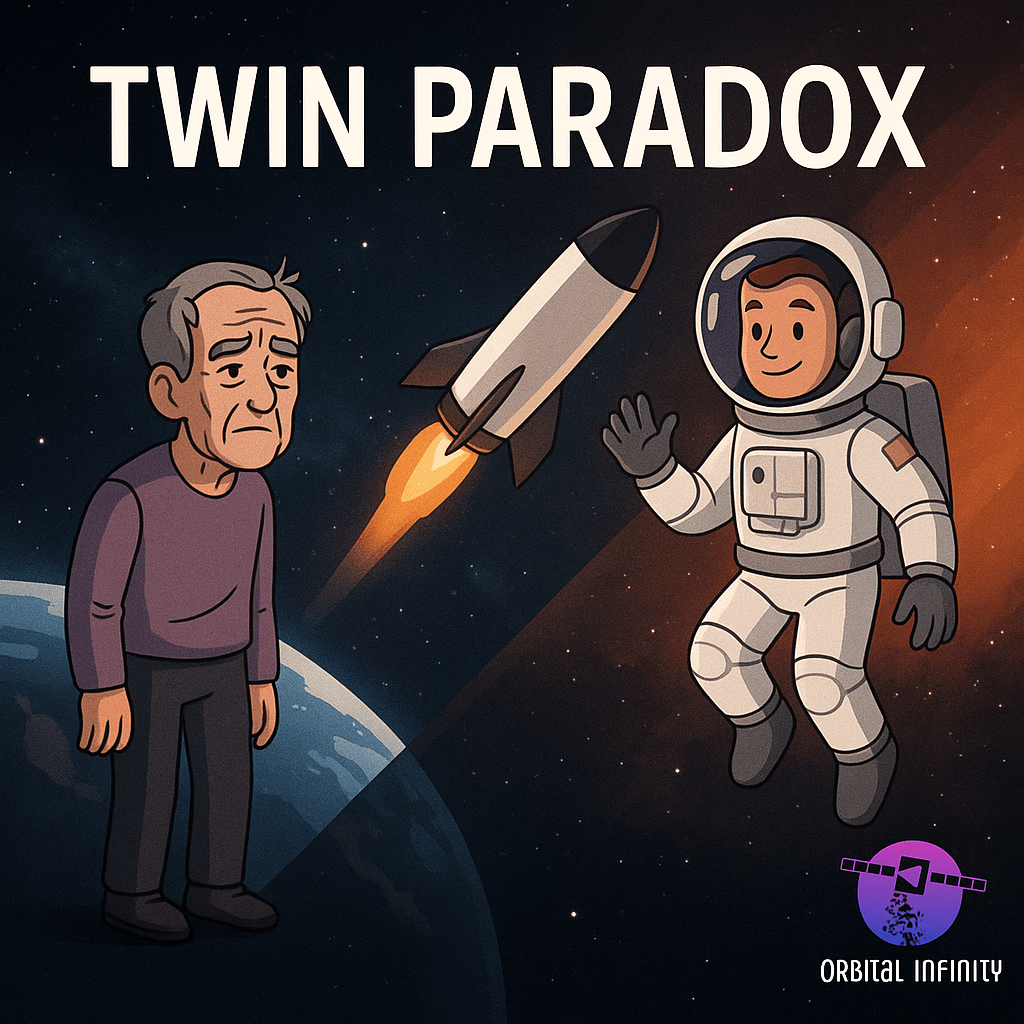
The Twin Paradox is a famous thought experiment in Einstein’s theory of relativity. It involves identical twins—one stays on Earth while the other travels at near-light speed in a spaceship. When the spacefaring twin returns, they are younger than their sibling.
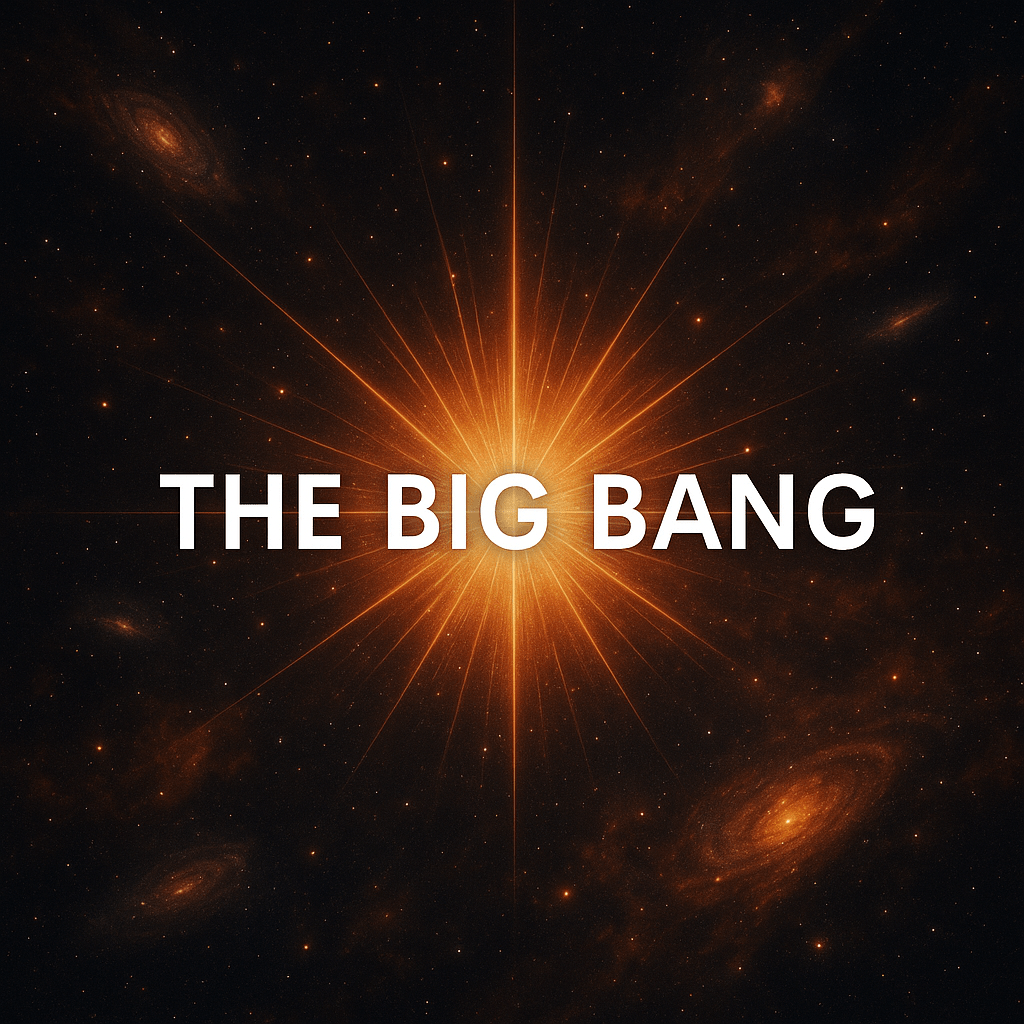
This article explores the monumental event that marked the origin of our universe — The Big Bang. From a singularity to the rapid expansion of space and time, it laid the foundation for all cosmic structures we see today. Discover how science unravels the mysteries of our cosmic beginning.
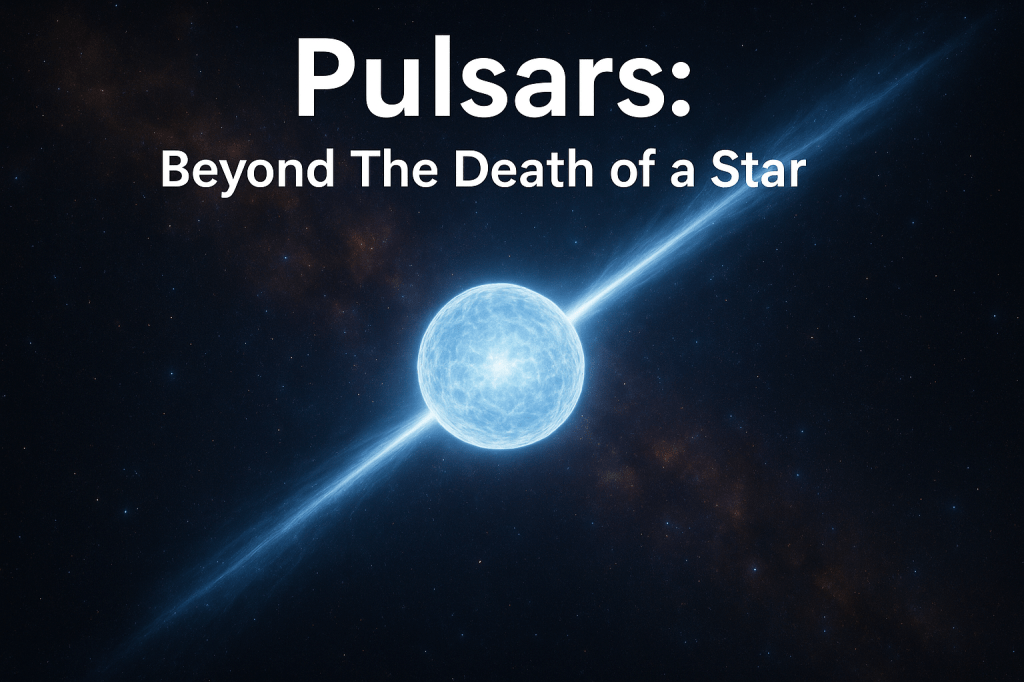
This blog talks about the fascinating phenomenon of pulsars — the rapidly spinning remnants of massive stars. These cosmic lighthouses emit powerful beams of radiation detectable from Earth. Discover how they reveal secrets of extreme physics and the life cycles of stars.
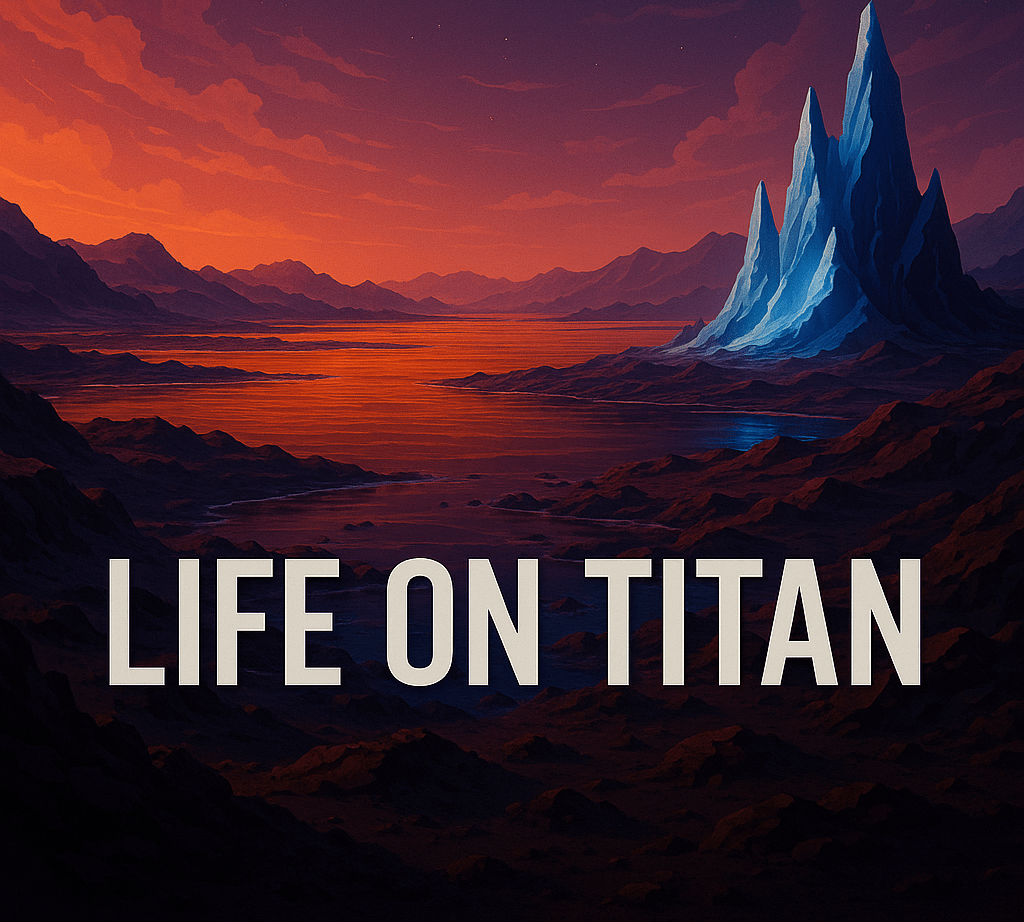
This blog talks about the possibility of life on Titan, Saturn’s largest moon, which harbors liquid methane lakes and a thick, nitrogen-rich atmosphere. It explores how Titan’s extreme yet unique environment might support exotic forms of life unlike anything on Earth.
The Fermi Paradox questions why, in a universe with billions of planets and countless possibilities for life, we’ve yet to detect any intelligent civilizations. This blog unpacks the mystery and explores captivating explanations—from rare cosmic luck to the possibility that we’re being silently observed.

Auroras, or the Northern and Southern Lights, are nature’s glowing sky dance, caused by solar particles colliding with Earth’s atmosphere. Discover the science, beauty, and best viewing spots for this breathtaking cosmic phenomenon.
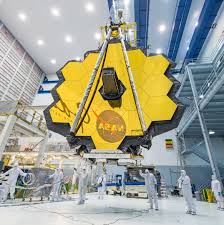
The James Webb Space Telescope (JWST) marks a new era in cosmic exploration, revealing the universe’s earliest galaxies, distant exoplanets, and even secrets of our own Solar System. Discover how this revolutionary telescope is reshaping astronomy and unlocking mysteries of the cosmos.
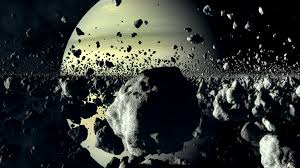
Discover why Saturn’s iconic rings are slowly disappearing through a process called ring rain. This blog explores how solar radiation and meteors are causing the rings to vanish, when they might completely fade away, and fascinating facts about other planets with ring systems.
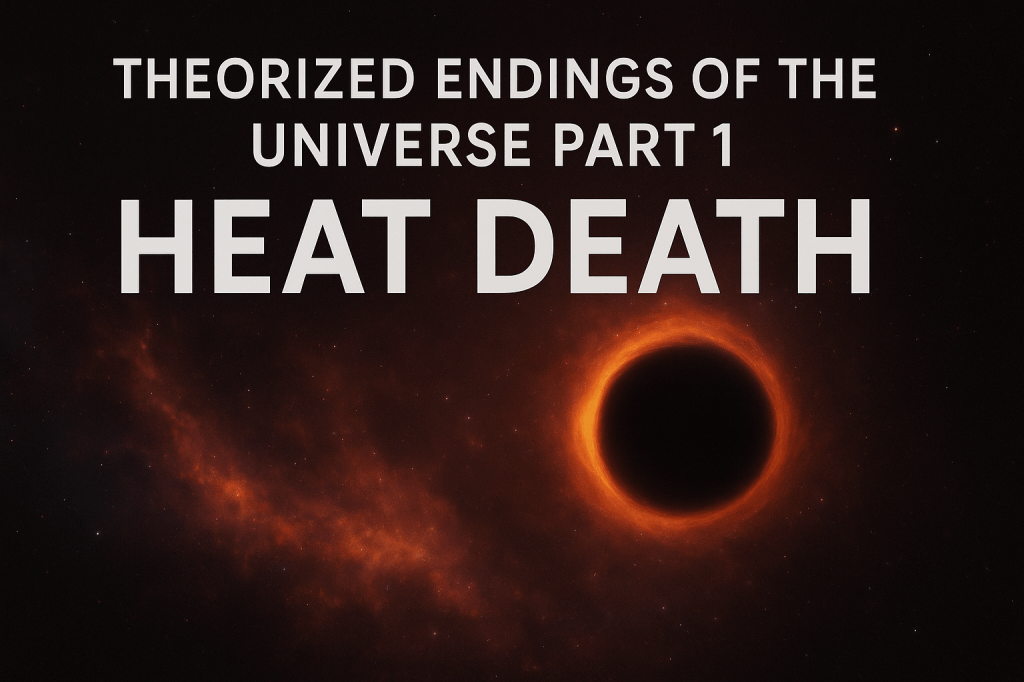
What if the universe ends not with a bang, but with silence? Dive into the Heat Death theory and discover how entropy may lead to the ultimate fate of everything.
 Orbital Infinity