For as long as we’ve been around, people have looked up at the night sky in awe. These days, though, we aren’t just looking—we’re starting to explore it in ways that feel almost unimaginable compared to even a few decades ago. Part of what’s driving this change isn’t just bigger telescopes, but also the rise of new computational tools. They’re not replacing astronomers, but they are definitely changing how discoveries happen.
Too Much Data to Handle Alone
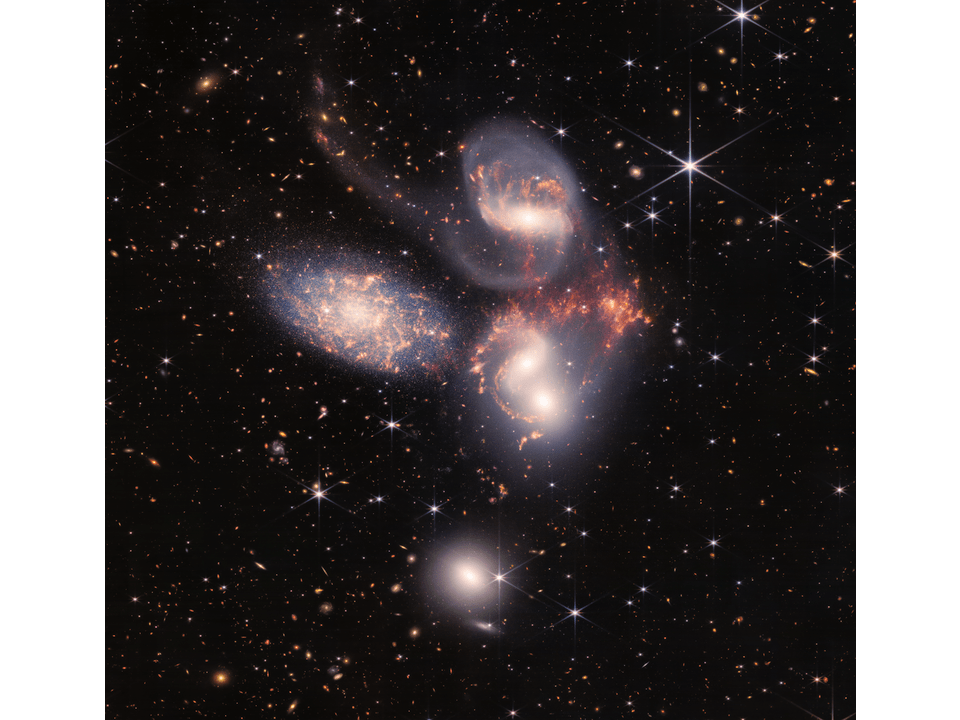
Modern telescopes produce staggering amounts of information. The James Webb Space Telescope, for example, sends back hundreds of gigabytes every day. Add in data from surveys like SDSS or DESI, and suddenly there’s more information than anyone could realistically go through manually.
This is where computational methods come in handy. They can sift through piles of numbers and images much faster than humans ever could, sometimes noticing patterns that people would likely miss. As one researcher put it, machines can pick up on details that are just too subtle or complex for us to see.
Smarter Rovers and Spacecraft

It’s not only about data here on Earth. On Mars, the Perseverance rover has shown what a difference autonomy can make. Because it can’t rely on instant instructions from Earth, it uses onboard systems to pick safe routes, avoid rocks, and keep moving. Most of its driving is actually done this way. Without that independence, exploring a planet in real time would be nearly impossible.
Searching for Other Worlds
Computational approaches have also become central in the hunt for exoplanets. Kepler, for instance, gave us light curves for hundreds of thousands of stars. But finding the tiny dips in brightness that signal planets isn’t easy. Recently, neural networks have been used to re-examine old data, and they’ve uncovered hundreds of planets that earlier methods missed. One of the more famous cases was when Google’s system helped spot an extra planet in the Kepler-90 system—something astronomers had overlooked at first.
Sorting Out the Cosmic Zoo-
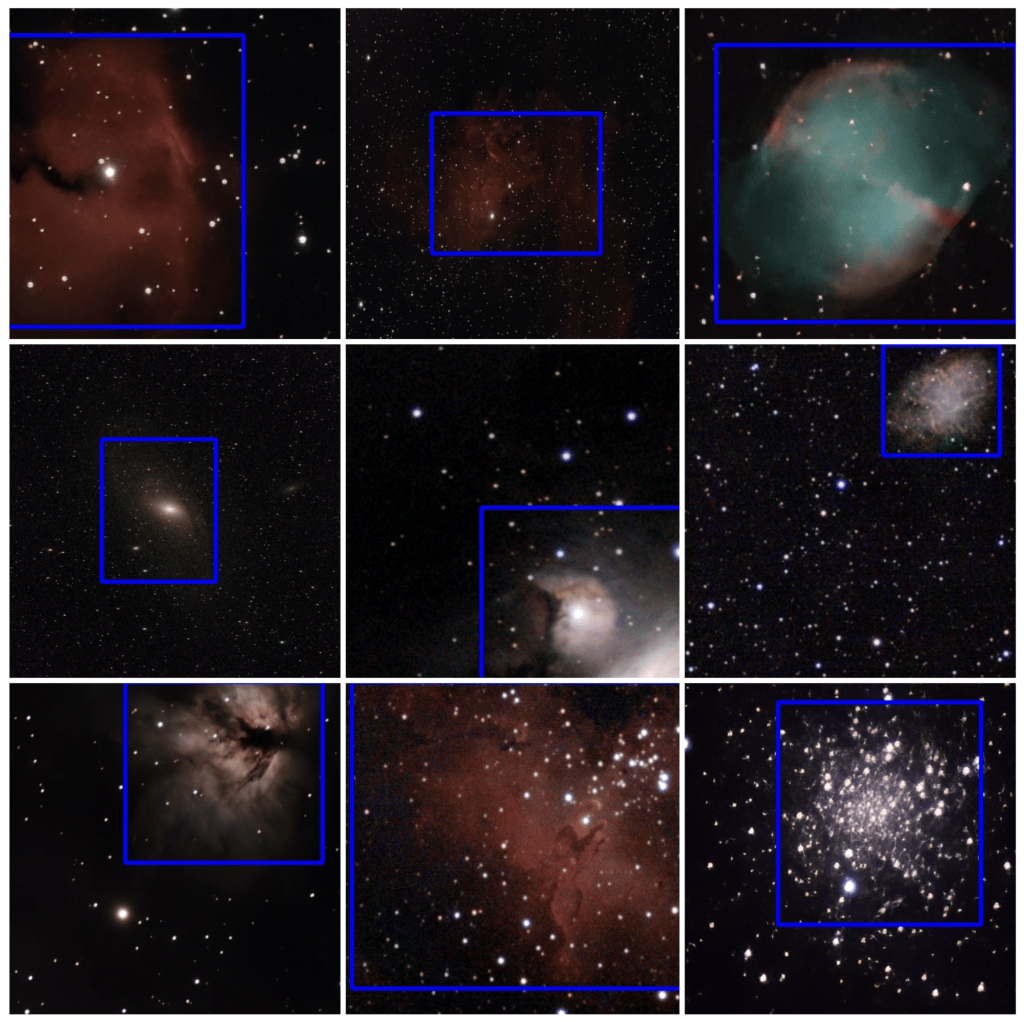
Astronomy involves a lot of classification work: deciding what kind of galaxy we’re looking at, or confirming whether a bright spot is really a supernova. What used to take years of careful inspection can now be sped up dramatically. Systems trained on telescope images can now categorize galaxies with surprising accuracy, often as well as experts. That doesn’t mean mistakes never happen, but it does mean researchers can move through large datasets much faster.
Listening for Ripples in Spacetime
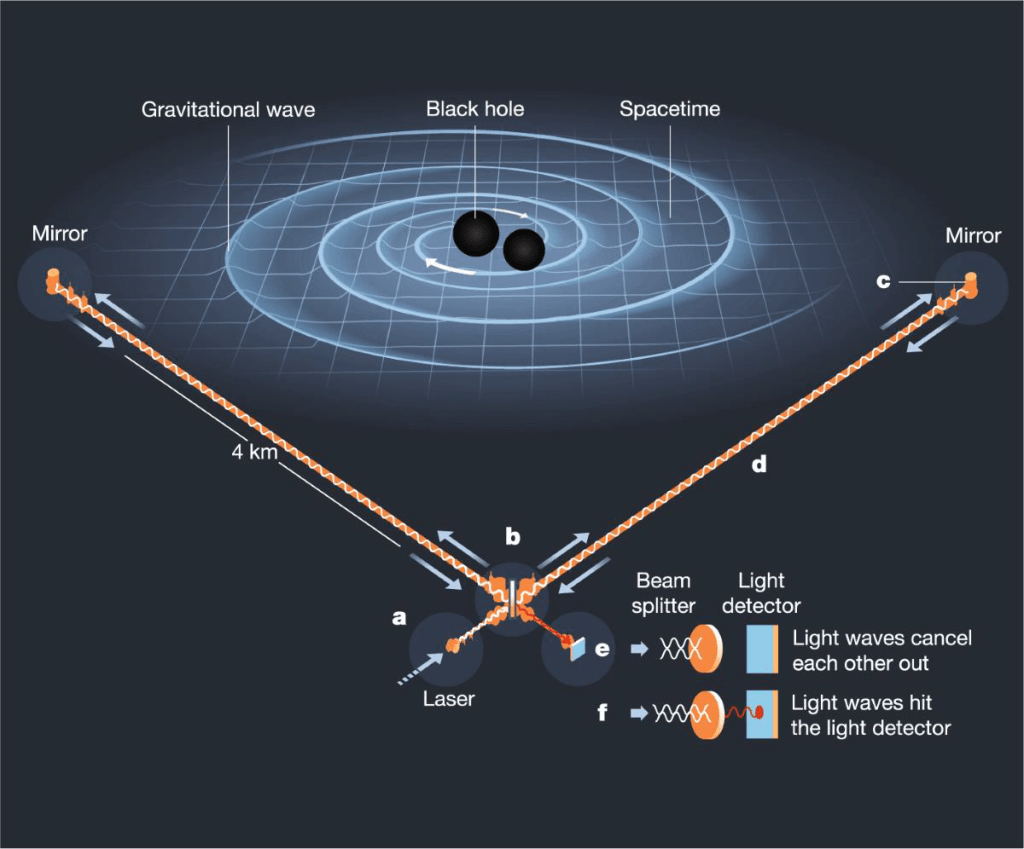
Gravitational waves are another area where these methods help. Detecting them is incredibly difficult because the signals are faint and often buried in noise. Traditionally, analysis took a lot of computing power. But newer techniques can spot these signals in near real time, which is important because telescopes on Earth need to be alerted quickly if they’re going to catch the afterglow of cosmic collisions.
Shedding Light on the Dark Universe
Even big mysteries like dark matter and dark energy are being approached in fresh ways. Some projects train systems on simulated universes to see how well different models fit the data we observe. The goal isn’t to “solve” these mysteries overnight, but to narrow down the possibilities and make sense of incredibly complex structures.
What Lies Ahead
The next generation of surveys, like the LSST, will push things further—producing something like 15 terabytes of data every night. Without modern computing, this flood of information would be overwhelming. With it, researchers can keep up and even respond in real time when something unusual appears.
NASA seems to be leaning into this too, with initiatives that aim to give future missions more autonomy. The farther we go into space, the less we’ll be able to
Some Caveats
It’s worth pointing out that these systems aren’t perfect. They can misclassify things, and sometimes it’s not clear why they make the decisions they do. Researchers still need to be cautious, and often need to double-check results the old-fashioned way.
But the bigger picture is hard to ignore: these new tools are helping astronomers ask questions they couldn’t realistically approach before. That doesn’t mean they’ll answer every mystery about dark matter or the origins of the universe, but they’re making it possible to explore those questions at a scale that used to be unimaginable.
A Changing Relationship with the Sky

In a way, what’s happening now feels like a shift in how we connect with the cosmos. Telescopes first expanded our vision; now, computation is expanding our ability to interpret what we see. It’s not that technology is replacing curiosity—it’s becoming part of the process. And as more discoveries unfold, it may change not only what we know about the universe, but also how we think about our place in it.
 Orbital Infinity
Leave a comment